- Discount up to 30% for this month
- support@yourdomain.tld
- location
The main goal of our BCAOMP event is to increase accessibility to continuing education in order to support practitioners to develop their scope of practice. This continuing education event provides theopportunity to communicate with members, for practitioners to network with their colleagues who share their professional passion.
In this event, you will have the opportunity to enjoy the knowledge of various speakers and access some hands on skill with our Keynote Speaker. Our BCAOMP Board of Directors will provide you the latest updates, we will offer you a continental breakfast, a delicious lunch and healthy snacks on these two days. Come and network, learn from your peers ,and meet the Board of Directors as well get the latest updates from your Association, by attending you will automatically receive 16 continuing education hours for this cycle.
Learn from experienced speakers and industry professionals who bring real-world knowledge, evidence-based practices, and practical insights you can apply immediately to your clinical work.
Connect with fellow practitioners, exchange ideas, and build meaningful professional relationships. This event fosters open discussion, shared learning, and a strong sense of community within the profession.
Enjoy a well-planned event that prioritizes comfort, accessibility, and sustainability — including curated sessions, provided meals, and an environment designed to support focused learning and engagement.
Time | Who | Topics |
7:45 to 8:30 | Participants arrived to the event. | Registration / Attendance with ID card – Folder – Pin (member only) |
8:35 to 8:50 | Pasquale Fiore | Welcoming from the BCAOMP President |
8:55 to 9:55 | Speaker 1 - Mehrdad Darvish (60 minutes) | Foot Assessment and Injuries (Cat 1) |
10:00 to 11:00 | Speaker 2 – Katolen Yardley (60 minutes) | Herbals and Nutritional Supplements (Cat 2) |
11:10 to 11:30 | Break – Visits of the Vendors (20 minutes) | Professional Network Time (Cat 2) |
11:35 to 12:35 | Speaker 3 - Mehran Zolfaghari (60 minutes) | Regulation – Bursary – Insurance (Canada Life announcement) (Cat 2) |
12:35 to 13:35 | Lunch & Vendors presentation | Lunch: Network & Learn (Cat 2) |
13:45 to 15:15 | Keynote Speaker – Tony Hui (90 minutes) | Workshop (Cat 1 & 2) |
15:15 to 15:35 | Break – Visits of the Vendors (20 minutes) | Meet – Q & A – Learn (Cat 2) |
15:35 to 17:05 | Keynote Speaker – Tony Hui (90 minutes) | Workshop (Cat 2 & 2) |
17:05 to 17:15 | Pasquale Fiore | Closing – Few words. |
Time | Who | Topics |
7:45 to 8:30 | Participants arrived to the event. | Registration / Attendance |
8:35 to 8:50 | Pasquale Fiore | Welcoming from the BCAOMP President |
8:55 to 9:55 | Speaker 1 – Barbara Vaandrager (60 minutes) | Biodynamic Craniosacral Therapy (Cat 1) |
10:00 to 11:00 | Speaker 2 – Max Edwards (60 minutes) | A mobile manual osteopath (Cat 2) |
11:10 to 11:30 | Break – Visits of the Vendors (20 minutes) | Professional Network Time (Cat 2) |
11:35 to 12:35 | Speaker 3 -Sumit Paul Singh Kainth (40 min) & Speaker 4- Brad Ward (20 min) | Marketing – Promotion – Social Media (Cat 2), Regulation – Investigation Process (Cat 2) |
12:35 to 13:35 | Lunch & Vendors presentation | Lunch: Network & Learn (Cat 2) |
13:45 to 15:15 | Keynote Speaker – Tony Hui (90 minutes) | Workshop (Cat 1 & 2) |
15:15 to 15:35 | Break – Sunita Dhir (20 minutes) | Meet – MLA for Vancouver-Langara (Cat 2) |
15:35 to 17:05 | Keynote Speaker – Tony Hui (90 minutes) | Workshop (Cat 1 & 2) |
17:05 to 17:15 | Pasquale – Sumit & Team | Closing – Few words (Promotion – Social) |
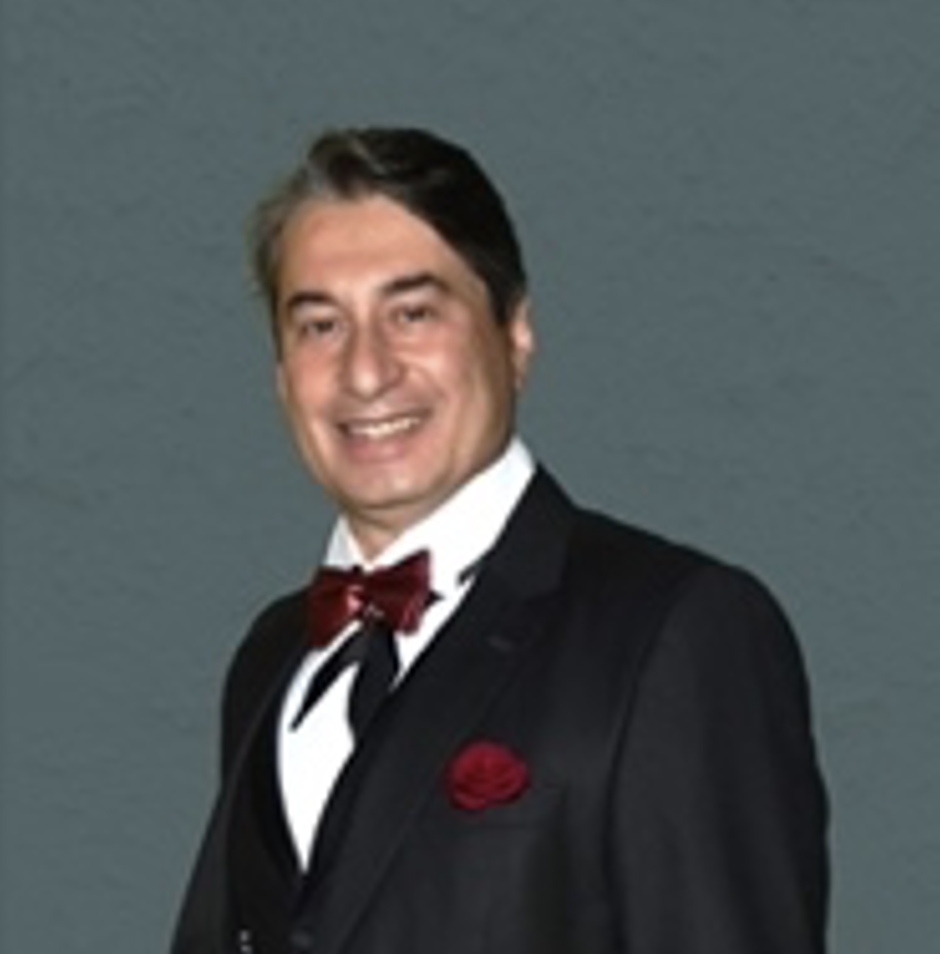
DOMP (Canada) - Foot Assessment and Injuries
Doctor of Medicine: Orthopedic Foot & Ankle, and Sports Injuries Surgeon (Germany/Iran)
Foot Assessment and injuries
This chapter provides a concise review of common foot and ankle conditions mostly in athletes, including tendon disorders, structural deformities, and plantar pathologies. Bone injuries are addressed with emphasis on osteochondritis, while ligament injuries are summarized through key diagnostic principles and special tests. The chapter highlights essential clinical features, biomechanical considerations, and evidence-based approaches for accurate evaluation and management of these injuries. Picture:
dr.darvish[@]yahoo.com
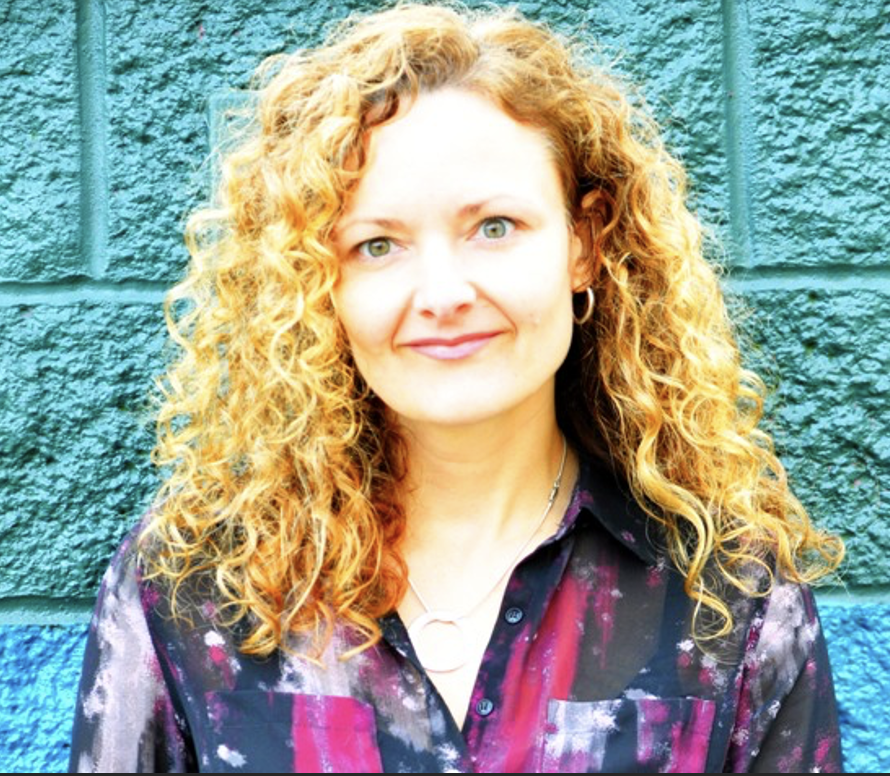
Over the counter herbals and nutritional supplements understanding their purposes.
Over the counter herbals and nutritional supplements understanding their purposes.
Become familiar with common over the counter herbals and nutritional supplements. * Understand the medicinal actions of these common OTC products and review different options available. * Understand appropriate dosing and other considerations. * Understand limitations and safety.Picture:
info[@]katolenyardley.com
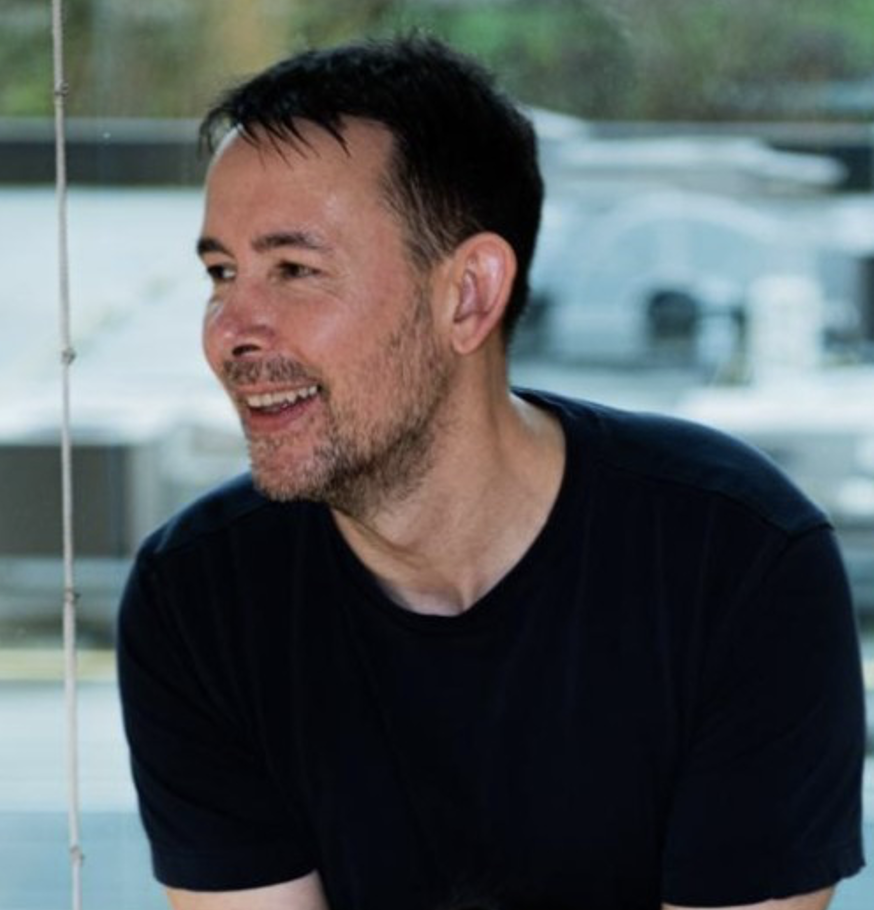
Osteopathic Manual Practitioner & Bodywork Therapist
Mobile Manual Osteopathy: Exploring the Profession from a Different Angle. What happens when we bring treatment directly into people’s homes.
This presentation examines mobile manual osteopathy as an evolving model of care, exploring the clinical, practical, and community impacts of delivering treatment in clients' homes. Within the Canadian healthcare context, it highlights how mobile osteopathy improves accessibility, continuity of care, and recovery for individuals facing mobility limitations, chronic pain, caregiving demands, or transportation barriers. The session also addresses key practitioner considerations, including safety, scheduling, professional boundaries, and scope of practice. Mobile manual osteopathy is presented as more than a convenience-based service — it is a personalized, context-rich approach that supports holistic care and strengthens community-based healthcare systems.
ithacawellnesscanada[@]gmail.com
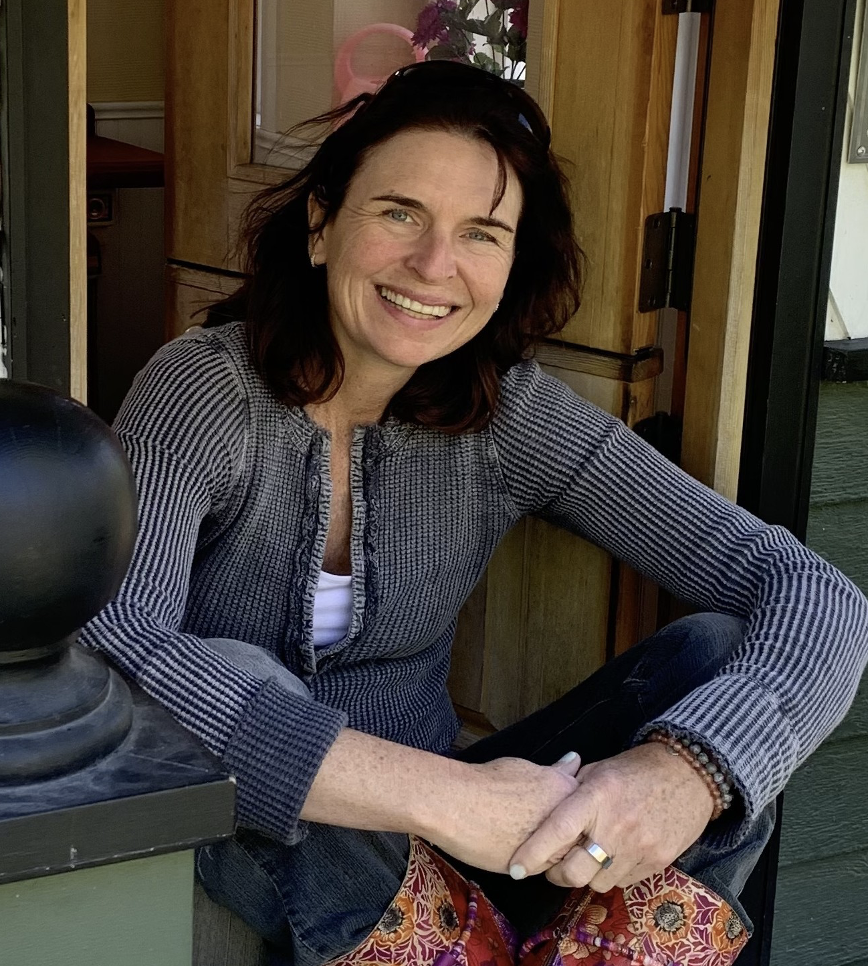
Biodynamic Craniosacral therapist (RCST) & Manual Osteopathic Practitioner (DOMP)
What is Biodynamic Craniosacral Therapy?
BCST is an invitation into stillness, where the body is met with deep listening and gentle presence. Working with the rhythms of life itself, this work helps to release long held tension and trauma. Grounded in osteopathic principles and relational presence, this work prioritizes safety, choice and pacing while engaging subtle physiological rhythms. Rather than revisiting traumatic events, biodynamic craniosacral therapy supports healing the body complete interrupted stress responses, resolve unresolved trauma, restore regulation and build resilience. In the presentation participants will learn about the origins of biodynamic craniosacral therapy and its role in trauma resolution. This will be followed by a brief demonstration illustrating how Biodynamic Craniosacral Therapy and Osteopathic Touch intersect, highlighting both their similarities and their distinct approaches.
cranioworks1[@]gmail.com
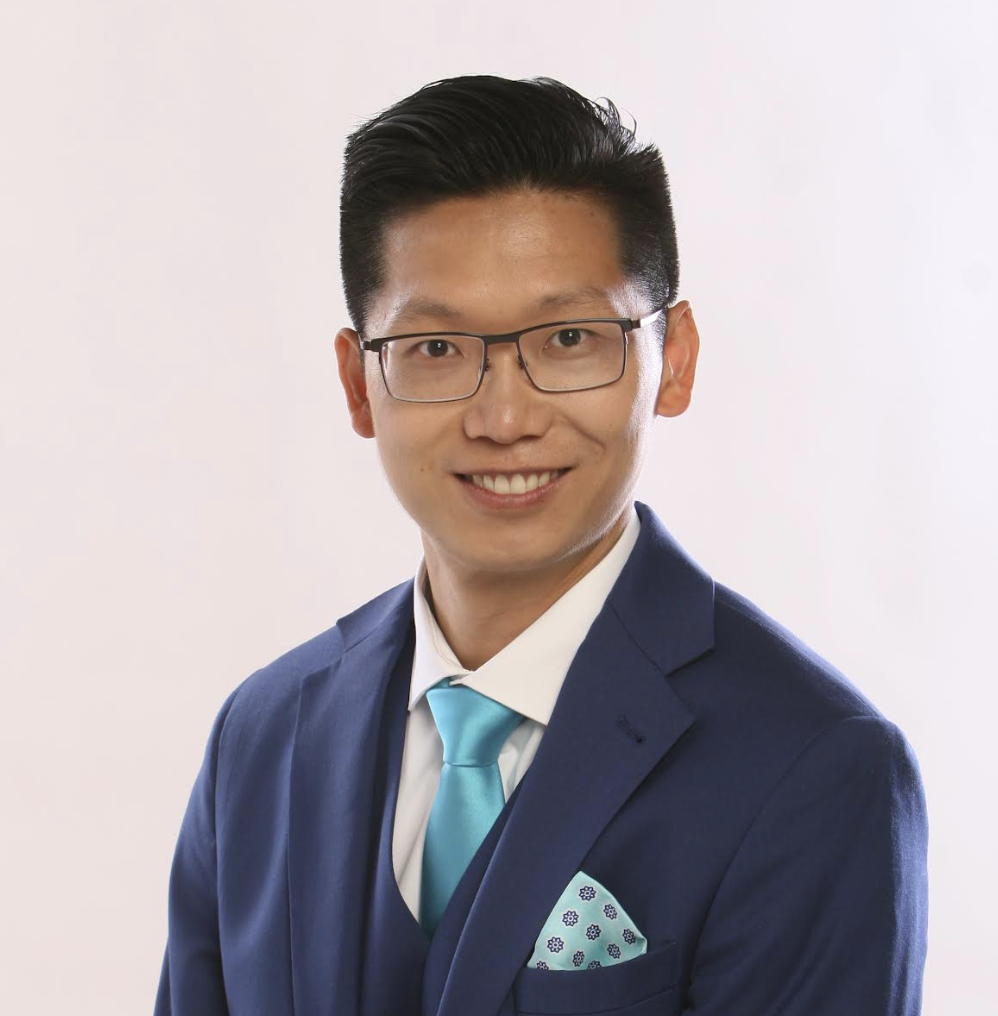
is a physiotherapist with over 24 years of clinical experience in the assessment and management of lower-limb overuse conditions, with a clinical focus on manual therapy, movement analysis, and functional biomechanics. He is the author of Pain Is Not Gain: Ending Hip, Knee, and Foot Pain Resulting from Aging and Injury, which examines clinical reasoning approaches to persistent hip, knee, and foot presentations. Tony has presented at professional education events, including the BC Physio Forum 2020, and holds a Master’s degree in Sports Medicine and Health Sciences. He received postgraduate osteopathic training under Dr. Kerry D’Ambrogio, Founder and President of the D’Ambrogio Institute, and has additional training in DMA Clinical Pilates (Australia), American College of Sports Medicine (ACSM) Exercise Specialist®, and Functional Dry Needling. His professional interests include integrating manual therapy, motor control strategies, and biomechanical assessment to inform treatment planning for complex lower-limb conditions within a multidisciplinary scope of practice.
Most orthopedic conditions can be broadly classified into two categories: acute trauma and overuse injuries. While clinicians have limited influence over the prevention of acute trauma—and treatment outcomes are largely dictated by the extent of tissue damage—we play a disproportionately large role in the prevention and treatment of overuse conditions. Focusing on lower-limb overuse injuries, this workshop examines why many prevailing tissue- loading leg-strengthening protocols—even those supported by current research—often result in more pain with no meaningful functional gain. Through a critical review of the historical studies underpinning such approaches, participants will be guided to identify key assumption gaps and internal inconsistencies within these frameworks. Participants will be introduced to a new clinical lens—Core Stability Asymmetry—as an emerging paradigm for understanding, assessing, and treating these prevalent conditions. Rather than emphasizing isolated tissue capacity, this model explores how symmetry in core motor control is a primary driver of load transfer during human gait activities. The practical component will cover foundational topics including core stability principles, physical examination strategies, treatment sequencing, dosage prescription, progression parameters, and real-world case application. Participants will leave with a turnkey clinical framework for managing common lower-limb overuse injuries, along with a clear understanding of its indications, strengths, and limitations.
If you have any question please let us know!
info@bcaomp.com